TL;DR: 2025’s office design shift is less about looking good and more about supporting how people actually work, with biophilic design, indoor gardens, green walls, water features and natural light, leading the charge to cut stress and boost productivity. Smart offices are becoming the norm too, with IoT powered lighting, temperature control and AI driven meeting room scheduling increasingly standard rather than novel. The bigger point the post makes: companies are no longer designing for functionality alone, they’re building environments meant to inspire and support employees, making thoughtful office design a real business investment rather than just decor.
Gone are the days when corporate professionals used to work in dull cubicles, sterile white walls, and rigid seating plans. In 2025, modern office interior design is all about crafting work environments that inspire creativity, foster collaboration, and prioritize well-being. Companies are now shifting towards workspaces that feel less like corporate cages and more like dynamic, engaging hubs where employees actually want to be.
With more and more individuals giving preference to work-life balance and hybrid models taking center stage, office interiors are evolving to accommodate the changing needs of modern workforce.
On that note, let’s explore some of the popular interior design trends that are going to dominate the commercial sector in 2025.
Best Interior Design Trends For Office Spaces in 2025
- Biophilic Design

Modern office interiors are increasingly incorporating aspects inspired by nature or natural elements. And that’s where biophilic designs come in picture. Connecting employees with nature is the main goal of this eco-friendly design, which includes indoor gardens and green walls. Water features, wooden textures, and natural lighting create a peaceful atmosphere that reduces stress and boosts productivity. In order to promote sustainability and enhancing indoor air quality, businesses are also investing in environment-friendly materials and air-purifying plants.
- Smart and Tech-Integrated Office Design
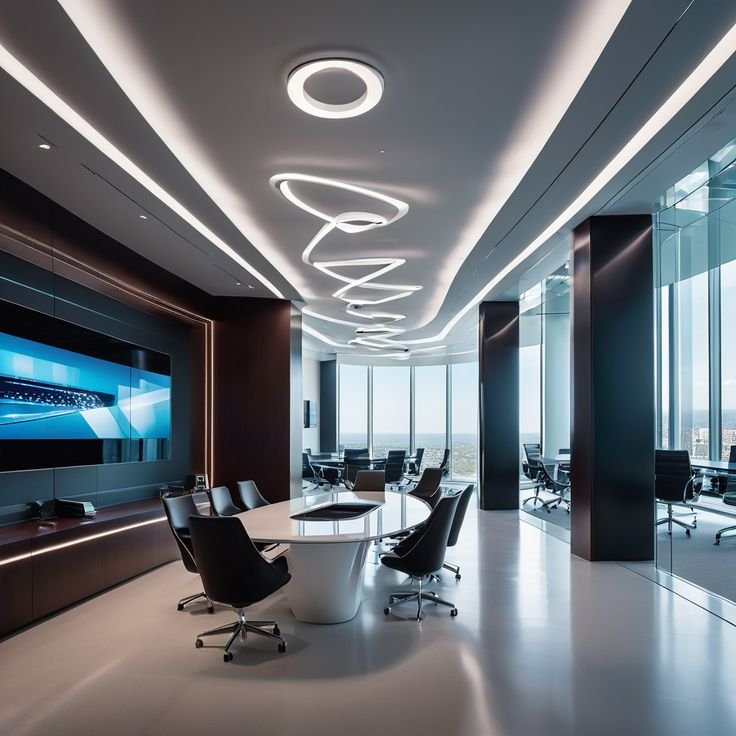
Technology continues to reshape office environments. Smart offices equipped with IoT-powered lighting, temperature control, and AI-driven meeting room scheduling are becoming standard. Wireless charging stations, interactive whiteboards, and virtual collaboration tools are also enhancing connectivity. With a focus on seamless integration, these technological advancements are streamlining workflows and boosting efficiency in the workplace.
- Resimercial Aesthetics
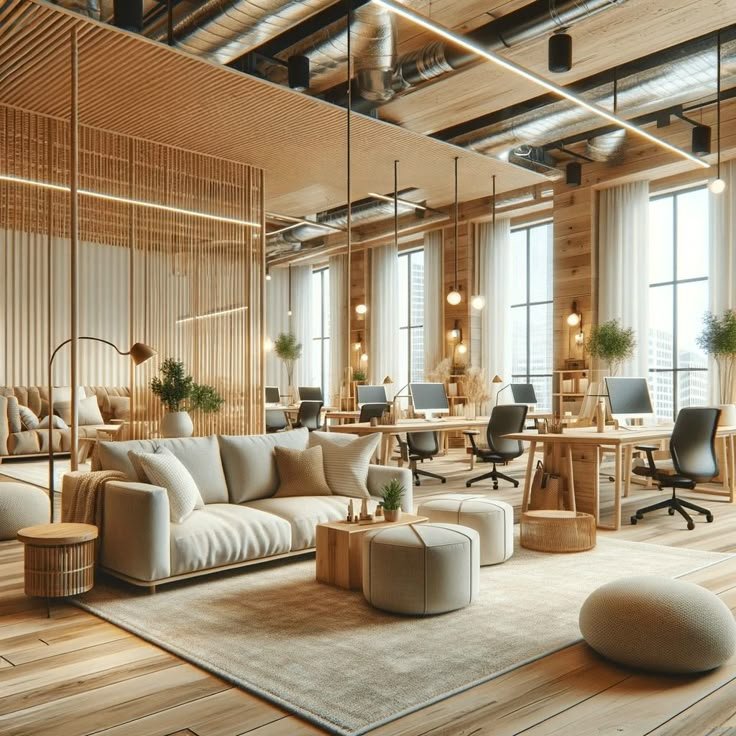
Another popular trend emerging in the office industry which is going to dominate the future of workplace designs is ‘Resimerical Aesthetics’. Offices are incorporating cozy, home-like elements such as plush sofas, warm lighting, textured rugs, and decorative accessories. The idea is to make the workplace more welcoming and cozy in order to lower stress levels and raise employee satisfaction. By blending the best of home and office design, companies are fostering spaces that feel relaxed yet professional.
- Health and Wellbeing-Focused Design
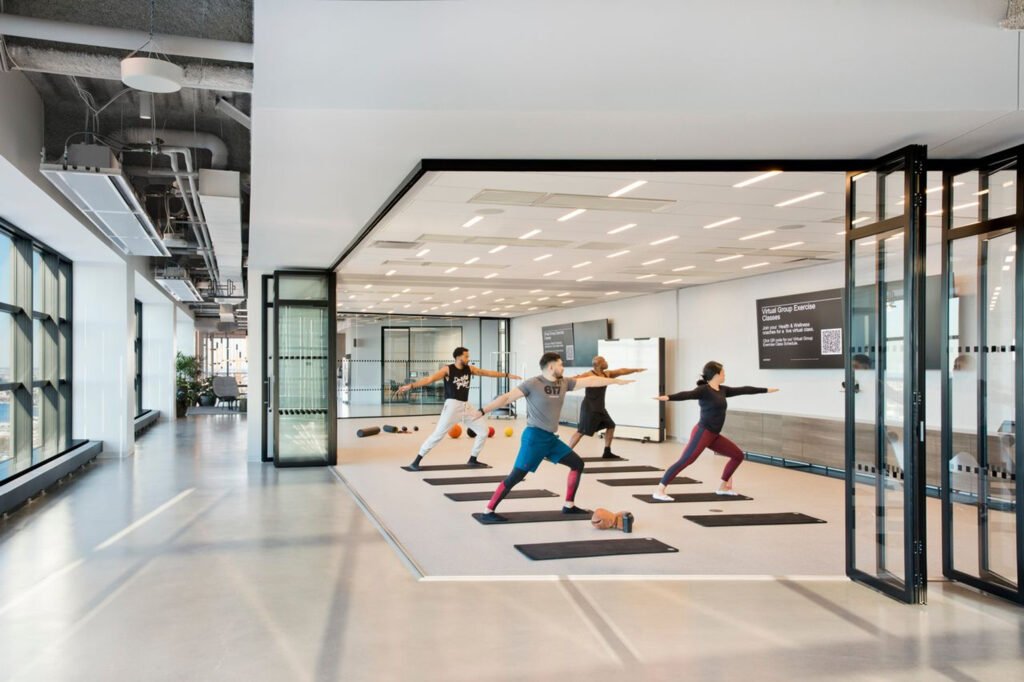
A happy employee is a productive employee, and office designs are prioritizing well-being more than ever. Ergonomic furniture, standing desks, and meditation rooms are becoming staples in modern workspaces. Several big companies are also incorporating nap pods, fitness zones, and wellness programs to support mental and physical health. Soundproof booths, aromatherapy spaces, and daylight-optimized layouts ensure that employees feel comfortable and stress-free throughout the day in office.
- Multi-Functional Collaborative Spaces
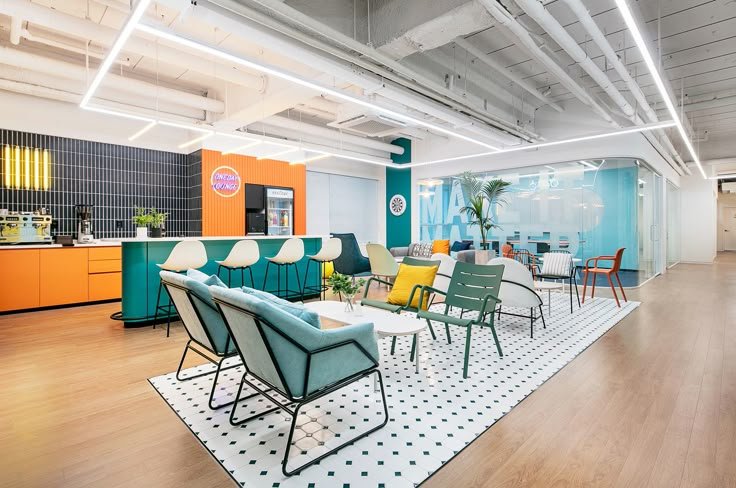
The days of merely having conversations in conference rooms are long gone. The dynamics of teamwork are being redefined by open-concept collaborative spaces furnished with modular furniture. Casual breakout spaces, brainstorming centers, and lounge-style seating are all intended to promote impromptu conversations. Offices can adapt to changing needs thanks to movable walls and variable layouts, which keep areas interesting and adaptable.
- Choosing Vibrant Hues
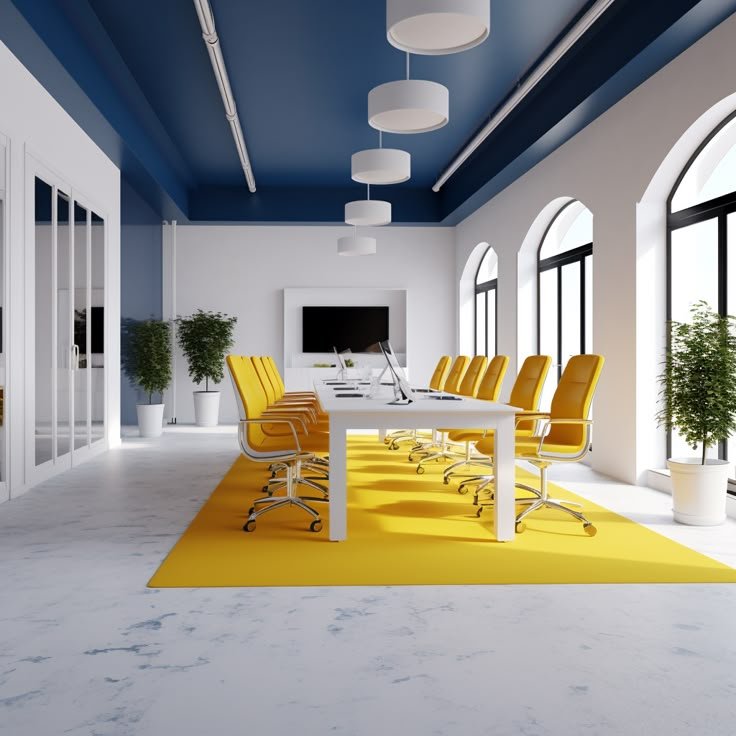
The era of bland office interiors is over. Color psychology is playing a crucial role in workplace design, with vibrant hues being used to evoke creativity and motivation. Offices are experimenting with bold accent walls, color-drenched rooms, and statement furniture. While blue and green promote focus and calmness, warmer shades like orange and yellow stimulate energy and enthusiasm. The result? A workspace that feels inspiring rather than mundane.
Bottom Line
The way we design office spaces in 2025 is a reflection of how work itself is evolving. Companies are no longer just focused on functionality—they are creating environments that inspire, engage, and support employees in every way possible. From flexible workspaces to sustainability-driven designs, each interior design trend contributes to a holistic approach that prioritizes both productivity and comfort for employees. Always remember, the right office design can boost morale, improve efficiency, and reinforce company culture, making it a crucial investment for any organization.